What is multilayer bubble film and why does its layered structure matter? Explore the benefits, durability, puncture resistance, and industrial advantages of multilayer bubble packaging.
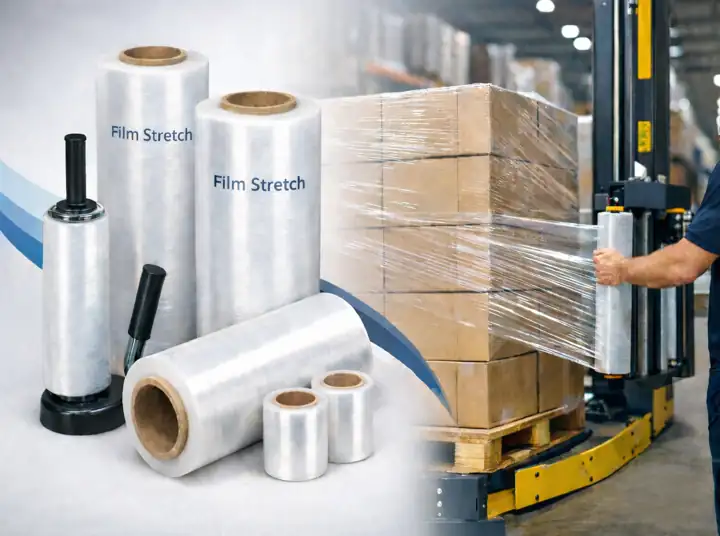
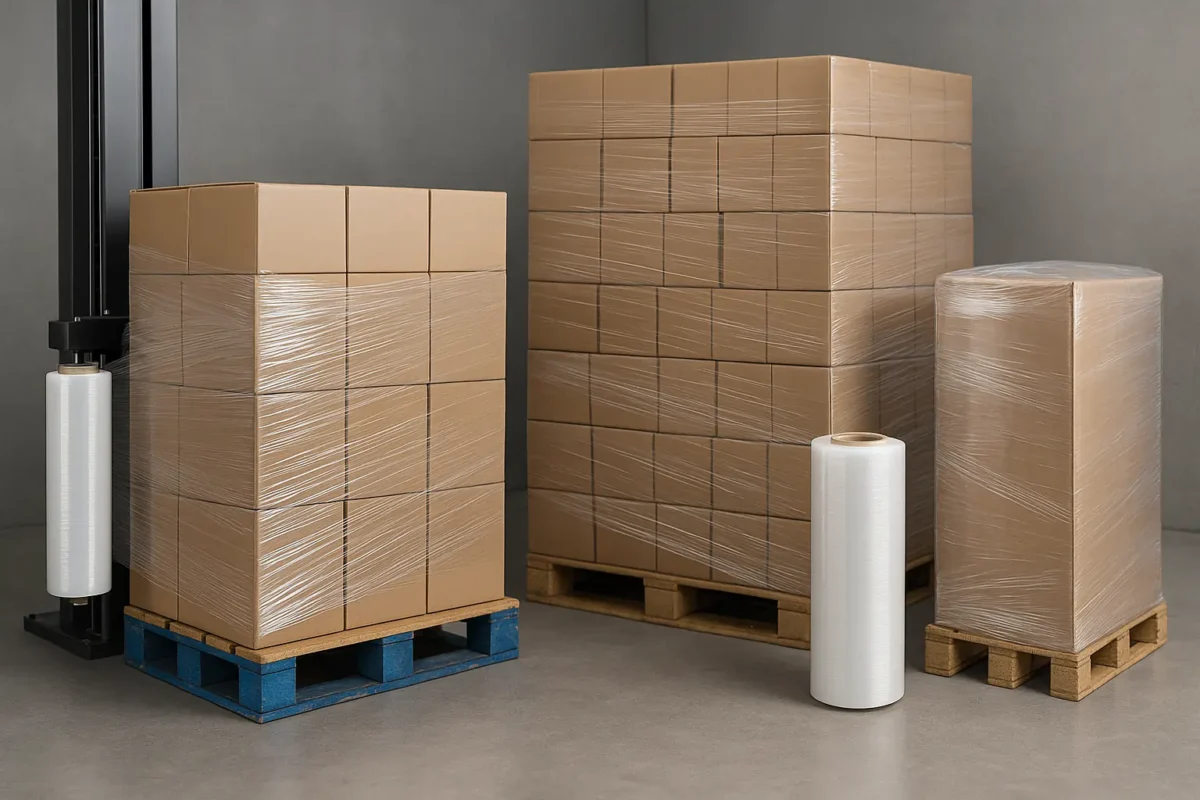
Karen stretch film is a professional packaging solution used for pallet wrapping, product protection, and safe transportation. This article covers its applications, benefits, and proper usage in industrial packaging.
Learn how to choose the right PE shrink film thickness and width. Practical tables, LDPE vs LLDPE tips, and engineering guidelines to reduce cost and improve packaging strength.
Heat shrink film is an effective packaging solution in the mineral water industry, offering bottle protection, cost savings, attractive grouping, and hygiene preservation.
Water bottle caps play a vital role in preserving taste, quality, and preventing leaks. Common types include screw caps, flip-top caps, and spout caps, each designed for specific uses such as sports, everyday convenience, and safe packaging.
Among the essential technical attributes of industrial stretch film, elasticity plays a critical role. In modern packaging systems—manual or automated—a stretch film must offer high elongation and the ability to maintain holding force after stretching. This ensures secure load retention, reduced material usage, and reliable performance across storage and transport conditions.
In industrial packaging, stretch film strength is more than just a technical metric—it’s a critical performance indicator that directly affects product safety during storage, transport, and handling
In industrial packaging, the cling strength of stretch film is a critical factor in ensuring pallet stability and load security. Whether you are a logistics supervisor or a production manager, knowing what impacts cling performance—and how to measure it—can make a significant difference in operational safety and cost efficiency.
In the packaging world, choosing between shrink film and stretch film isn’t just a matter of preference—it directly affects your production efficiency, shipping security, and operational costs